Steel producer uses collapsible containers to optimize transport, lower costs
Outokumpu's use of foldable containers simplifies the transportation of difficult to move scrap steel, per a case study from the Alabama Port Authority.
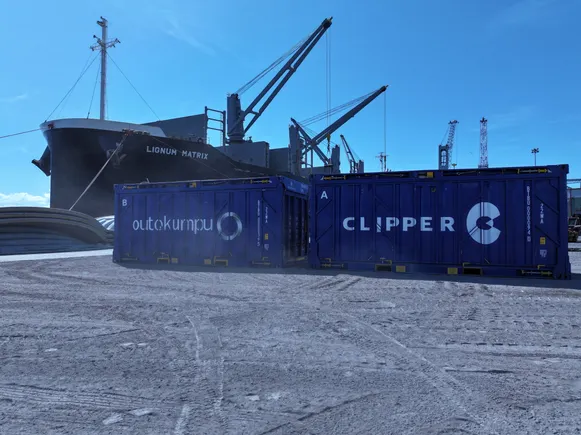
An article from Dive Brief Outokumpu’s use of foldable containers simplifies the transportation of difficult-to-move scrap steel, per a case study from the Alabama Port Authority. Published July 28, 2026 Collapsible containers seen at the Port of Mobile. Outokumpu has transformed its logistics strategy through collapsible containers, helping reduce freight and handling costs along the way. Permission granted by Alabama Port Authority This audio is auto-generated. Please let us know if you have feedback . Dive Brief: Steel producer Outokumpu is leveraging collapsible containers to transport steel between Mexico and the Port of Mobile in Alabama more efficiently, according to a July 22 emailed press release. The collapsible shipping containers aim to help lower transportation costs, reduce emissions and recover and recycle stainless-steel scrap, per the press release. Outokumpu moves about 230,000 tons of cargo annually at the Port of Mobile and has a steel mill in Calvert, Alabama, per the release. The company uses steel handling facility Alabama Steel Terminal and shipping company Clipper Bulk to process freight. Dive Insight: Because scrap steel is difficult to transport, Outokumpu was looking for a more efficient cargo-handling solution, according to a case study published by the Alabama Port Authority. Foldable containers, designed by Box2Build, addressed the company’s concerns without interrupting outbound shipments of finished steel while alleviating space constraints at the Port of Mobile. “Shipping empty containers for scrap collection simply wasn’t viable; vessel space was already at a premium. Foldable containers provided the answer, enabling four containers to be stored in the footprint previously occupied by just one,” according to the release. The collapsible containers are stacked during export, sometimes four at a time, which helps minimize space usage onboard fully loaded ships. In Mexico, the containers are expanded or popped up and filled with scrap steel from regional operations. The ocean vessel then makes it way to the Port of Mobile in Alabama. Steel coil being handled at the Alabama Steel Terminal. Outokumpu uses the Alabama Steel Terminal at the Port of Mobile to process its steel materials. Permission granted by Alabama Port Authority At the Alabama Steel Terminal, containers are offloaded, staged and prepared for inland movement. Since the empty containers can be stacked, fewer truck moves are required compared to one truck moving one container at a time. As part of the final process, scrap steel is delivered to Outokumpu’s Calvert mill. The scrap steel mill is remelted and transformed into stainless steel products. Some of the cost savings Outokumpu benefits from are reduced need for dedicated scrap transport, lower container damage and replacement costs, and fewer truck moves due to stackable empty containers. “This initiative showcases how infrastructure, terminal expertise, and industry partners like AST, Clipper, and Outokumpu can align to create smarter, more sustainable supply chains,” Cameron Gibson, steel shipment liaison for the Alabama Port Authority, said in the case study.