Growing trade driving congestion and delays at West African ports
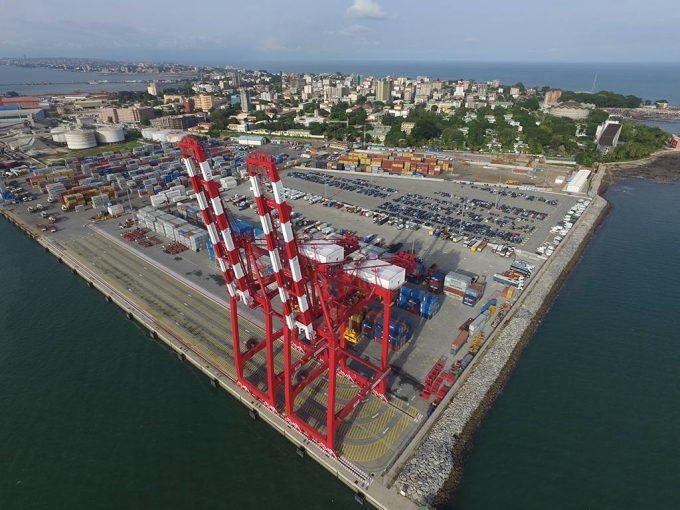
By Alexander Whiteman 6 October 2026 Strong volume growth along the West African coast growth is proving the double-edged sword some had warned of, with many of the ports that had been reaping rewards now subject to heavy and intensifying congestion. Ghana, Guinea, and Sierra Leone are among the countries most affected by delays sprouting up along the coast, all three rapidly approaching similar volumes to those handled in the entirety of 2025. Forwarders active on West African trades told The Loadstar they too had observed the congestion hobbling many of the ports’ ability to function effectively, one expressing concern over looming temperature-controlled cargo due for delivery. A forwarder with volumes destined for Temam in Ghanam told The Loadstar : “CMA CGM has announced a congestion charge of $400 per teu for these shipments. This means an additional cost of $800 for each 40ft refrigerated container.” Hapag-Lloyd has also announced a $250 surcharge on reefer shipments destined for Tema, which became applicable for shipments sailing as of yesterday, adding to the worries of cargo owners. The carrier has warned customers to expect delays of 10 days for discharging and loading goods, although Portcast claims that the situation at the Ghanian port may be improving, average waits having fallen below the four-day average, an improvement on last week. Instead, it singles Conakry and Freetown as the ports to be concerned about, congestion delays at both exceeding 10 days – a rapid deterioration at the Sierra Leone capital’s gateway saw delays increase by four days, week on week, and by more than a day at Conakry. Only a month ago, Sierra Leone Ports and Harbours Authority director general Yankuba Askia Bio claimed a “decongestion” effort, led by multiple stakeholders, had succeeded, resulting in Freetown being removed from a list of congested African gateways. Efforts at Conakry to mitigate the worst of the congestion have seen trucks operating around the clock at Guinea’s main gateway to keep cargo flowing, and ensure the backlog does not worsen. While at Tema, the Ghana Shippers’ Authority said last month it was working with the port authority, shipping lines, and terminal operators to increase vessel calls to accelerate empty-container evacuation. But there is growing recognition across the sector that against a backdrop of surging volume growth, the ports are delaying what will inevitably be needed if they are to avoid a catastrophic collapse in supply chains – investment and expansion in infrastructure.